Aunt Fatima turns a family home into creeping psychological dread
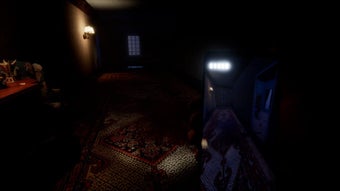
Aunt Fatima, from S.A.G.A., is a first-person psychological horror adventure about a changed family home. Players explore an aunt's house, examine notes and objects, solve environmental puzzles, and face scripted horror sequences and jumpscares that heighten quiet tension without combat or direct enemy encounters. The game emphasizes environmental storytelling, a first-person vantage to increase vulnerability, scripted scares, and interactive observation puzzles. It suits indie horror fans who prefer tense, narrative-driven experiences over action and lengthy campaigns.
A family home becomes the primary source of dread
The protagonist returns to an aunt's residence after a long absence and must reconstruct what changed, a setup that turns domestic familiarity against the player. Unlike Gone Home's archival discovery, the game layers psychological threat onto household details, so ordinary rooms read as clues and hazards. This approach relies on close reading of objects and notes, letting the player assemble motive and timeline from scattered traces.
Exploration and observation form the game's main loop
The core loop centers on searching rooms, interacting with items, and solving environmental puzzles rather than combat. Players progress by noticing mismatched objects, retrieving notes, and triggering scripted horror sequences that alter the house's atmosphere. Key mechanical facts from the design include interactive puzzles, exploration-led progression, and an absence of direct fighting, which frames encounters as psychological challenge instead of mechanical confrontation.
Small audio and visual cues carry most of the menace
Visual design favors a realistic domestic palette so subtle changes feel uncanny, while sound cues and scripted scares punctuate quieter moments. The game's atmospheric exploration of a realistic house uses lighting shifts and diegetic sounds to suggest unseen presence, reinforcing tension without relying on frequent action. This emphasis on detail makes perception and patience central to reading the story.
Short runtime and focused design shape player expectations
The experience typically completes in about 30 to 60 minutes, which positions the game as a compact single-sitting narrative rather than a long campaign. That brevity concentrates the emotional arc but reduces mechanical breadth, so replayability depends on how much players value finding missed clues. The developer targets Windows 64-bit systems, which is relevant for players on older machines or alternate platforms.
In summary: a compact, unsettling experience best for players who savour close reading
The game rewards patient players who enjoy decoding domestic mysteries and feeling tense in ordinary rooms, making it a strong pick for narrative-focused horror fans. Players seeking combat, varied mechanics, or lengthy campaigns should consider that the design favors atmosphere and concentrated storytelling. The developer's focused approach produces a memorable single-sitting emotional effect for the right audience.
Pros
First-person perspective increases vulnerability and presence
Environmental storytelling through notes and objects encourages careful observation
Short, single-sitting structure delivers a tight emotional arc
Cons
No direct combat may disappoint action-oriented players
Laws concerning the use of this software vary from country to country. We do not encourage or condone the use of this program if it is in violation of these laws. Softonic may receive a referral fee if you click or buy any of the products featured here.